At Least 1,139 Killed in Israel
~
At Least 44,708 Killed in Gaza
~
At Least 17,492 Children Killed in Gaza
~
At Least 807 Killed in West Bank
~
169 Children Killed in West Bank
~
At Least 8,730 Wounded in Israel
~
At Least 106,050 Wounded in Gaza
~
More Than 6,250 Wounded in West Bank
~
19 Killed in Israeli Airstrike in Gaza, Including a 7-Day-Old Infant
~
17 Civilians Killed in Airstrikes in Jabaila
~
At Least 108 Killed in Airstrikes Near Bureij Refugee Camp
~
An Airstrike Against a Residential Home in Beit Lahiya Killed 20, Civilians, Including 8 Women and 6 Children
~
Airstrikes Killed Nearly 700 in One Week
~
At least 42 people, 26 of which occurring as civilians waited for food at Gaza Humanitarian Foundation (GHF) aid sites.
~
At least 27 Palestinians were killed and dozens more wounded by Israeli gunfire near a food aid distribution site
~
19 killed in Gaza, including a seven-day-old infant.
~
Israeli airstrikes killed at least 75 Palestinians, including 16 in a single bombing of a residential building in Gaza City’s Sabra district
~
At least 13 Palestinians were killed and more than 150 injured by gunfire from Israeli forces and American security contractors at two aid distribution points
~
At least 40 killed, with about half at a GHF aid distribution site and around 20 at Rafah; approximately 200 injured.
~
At least 51 killed and over 200 injured near a Khan Younis aid distribution center.
~
At least 50–71 killed in multiple incidents, including 25 on Salah al-Din Street, with additional deaths in Khan Younis and Rafah.
~
At least 300 killed by Israeli forces in the 48 hours leading up to July 3 in multiple locations, with many attacks targeting overcrowded shelters, displacement centers, markets, and homes.
~
At Least 1,139 Killed in Israel ~ At Least 44,708 Killed in Gaza ~ At Least 17,492 Children Killed in Gaza ~ At Least 807 Killed in West Bank ~ 169 Children Killed in West Bank ~ At Least 8,730 Wounded in Israel ~ At Least 106,050 Wounded in Gaza ~ More Than 6,250 Wounded in West Bank ~ 19 Killed in Israeli Airstrike in Gaza, Including a 7-Day-Old Infant ~ 17 Civilians Killed in Airstrikes in Jabaila ~ At Least 108 Killed in Airstrikes Near Bureij Refugee Camp ~ An Airstrike Against a Residential Home in Beit Lahiya Killed 20, Civilians, Including 8 Women and 6 Children ~ Airstrikes Killed Nearly 700 in One Week ~ At least 42 people, 26 of which occurring as civilians waited for food at Gaza Humanitarian Foundation (GHF) aid sites. ~ At least 27 Palestinians were killed and dozens more wounded by Israeli gunfire near a food aid distribution site ~ 19 killed in Gaza, including a seven-day-old infant. ~ Israeli airstrikes killed at least 75 Palestinians, including 16 in a single bombing of a residential building in Gaza City’s Sabra district ~ At least 13 Palestinians were killed and more than 150 injured by gunfire from Israeli forces and American security contractors at two aid distribution points ~ At least 40 killed, with about half at a GHF aid distribution site and around 20 at Rafah; approximately 200 injured. ~ At least 51 killed and over 200 injured near a Khan Younis aid distribution center. ~ At least 50–71 killed in multiple incidents, including 25 on Salah al-Din Street, with additional deaths in Khan Younis and Rafah. ~ At least 300 killed by Israeli forces in the 48 hours leading up to July 3 in multiple locations, with many attacks targeting overcrowded shelters, displacement centers, markets, and homes. ~
As violence escalates across Gaza, the toll on innocent civilians continues to mount. In Gaza, relentless airstrikes have devastated neighborhoods and hospitals, displacing thousands and claiming countless lives. These attacks are deepening the humanitarian crisis and fueling regional instability. We call urgently for an immediate and sustained ceasefire—one that protects civilians, allows for the delivery of humanitarian aid, and opens a path toward lasting peace grounded in justice, dignity, and human rights for all.
As of early July 2025, the ongoing conflict in Gaza has resulted in significant casualties. The Gaza Health Ministry reports that at least 56,200 Palestinians have been killed since October 7, 2023, with approximately one-third of these being under age 18.

President Trump announced a breakthrough call with Vladimir Putin in May. As a result, ceasefire talks between Ukraine and Russia were expected to begin immediately—with Pope Leo offering the Vatican as the host for these negotiations.
However, the war is still no closer to its conclusion, and the Vatican meeting has not happened.
We must continue to pray for this to occur.
Tens of thousands of landmines remain buried across Ukraine, posing a deadly threat to farmers, children, and entire communities. That’s why we’ve pledged $10,000 to Tip of the Spear, a group VPP helped launch, now actively clearing landmines in Ukraine.


Stand With Tulsi Gabbard to Stop the Warmongering
Tulsi Gabbard is sounding the alarm. And we must echo it—loudly.
Speak out against nuclear madness. Demand peace in Gaza. Defend the innocent—before it’s too late.
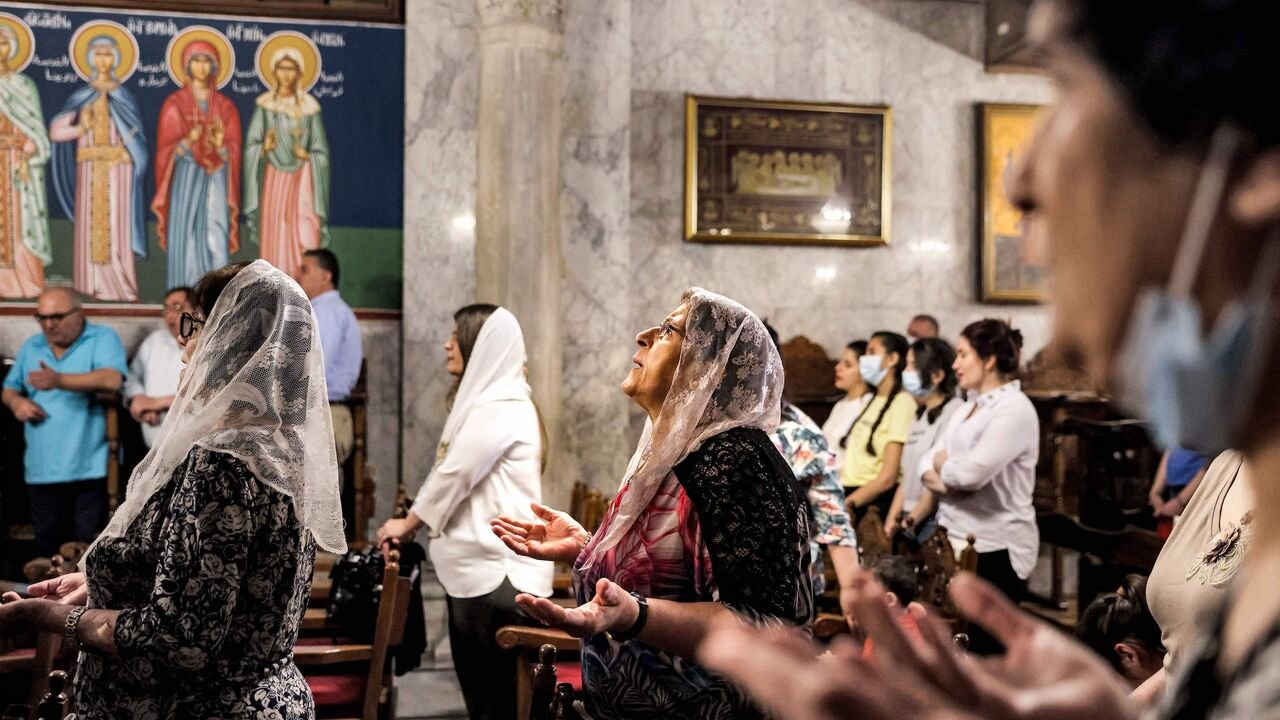
In the past two years, particularly following the outbreak of the Israel-Hamas war on October 7, 2023, Gaza has experienced numerous bombings and high casualty events.
The conflict has also resulted in over 117,600 injuries and the displacement of approximately 90% of Gaza's 2 million residents. Strikes have targeted hospitals, aid convoys, and shelters, leading to mass casualties. For instance, a recent Israeli airstrike killed 16 civilians, mostly women and children, at a school sheltering displaced individuals .
INFORMATION ON CURRENT EVENTS

Middle East latest: Dozens of Palestinians killed while seeking aid in Gaza, hospitals say

Middle East latest: Israel orders more evacuations and Palestinians stage rare anti-Hamas protests

Middle East latest: Israeli strikes kill a family of 6 and a Hamas spokesman in Gaza

Food is running out in Gaza nearly a month into Israeli blockade
Pray for Christians in Gaza
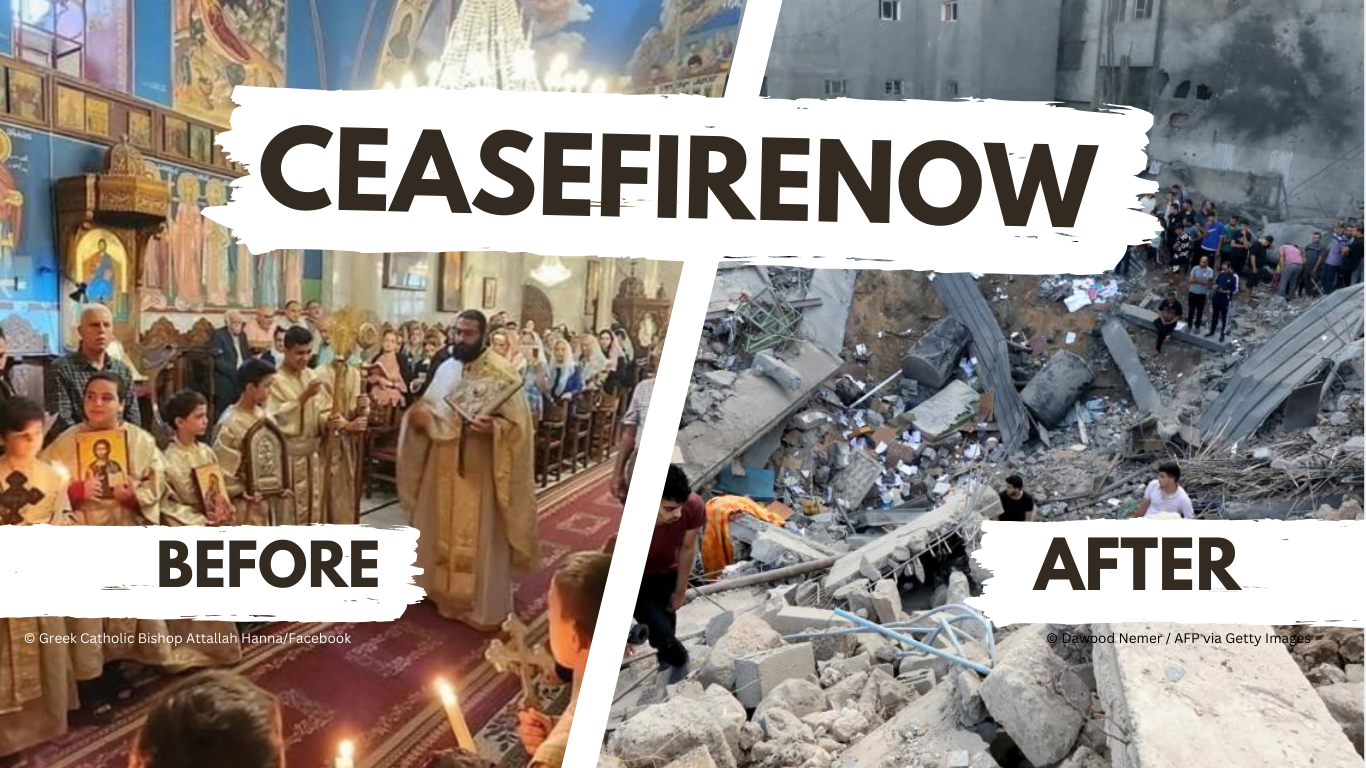
The Christian community in Gaza is among the oldest in the world, but now they are being starved and targeted.

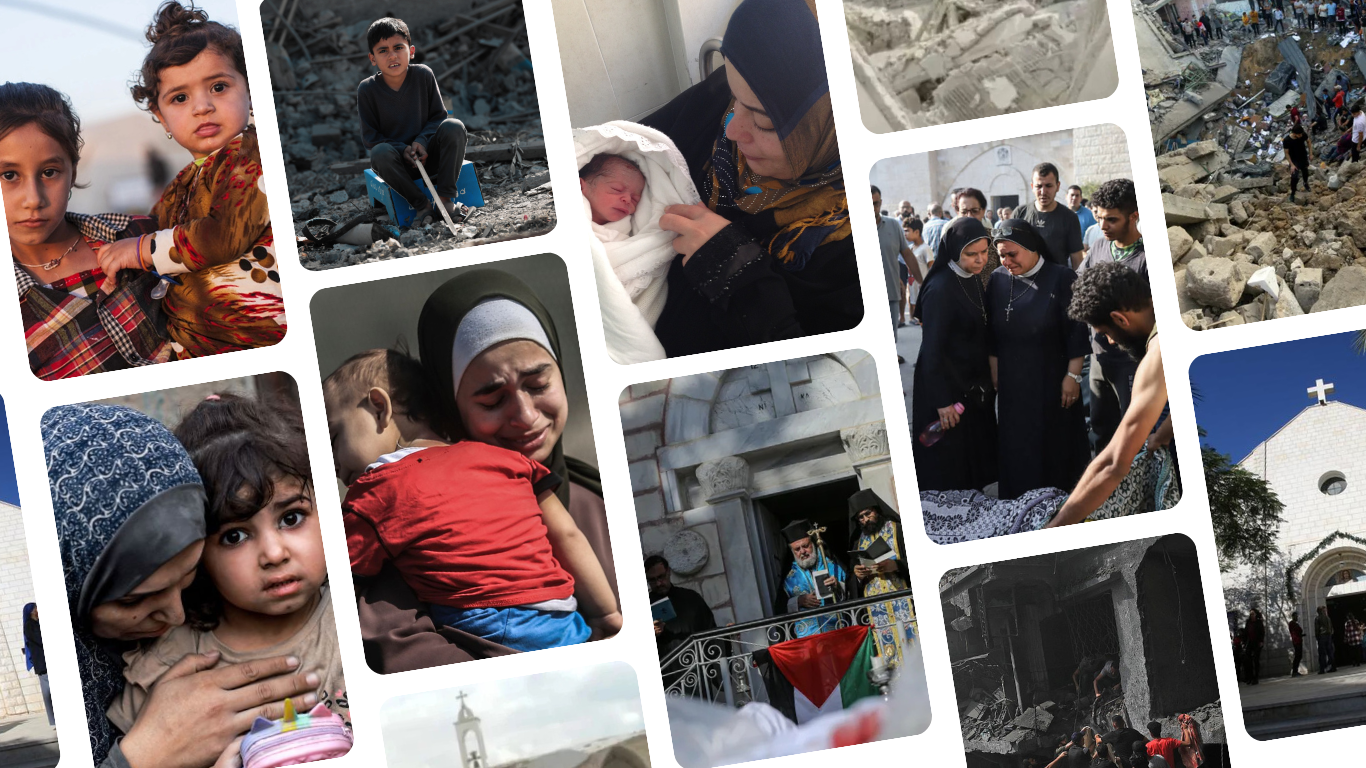
Please pray for all those effected by this war to have a safe passage out, safety for women, children, and the vulnerable, and an end to all violence.
Featured Media
Featured Podcasts
Featured Articles
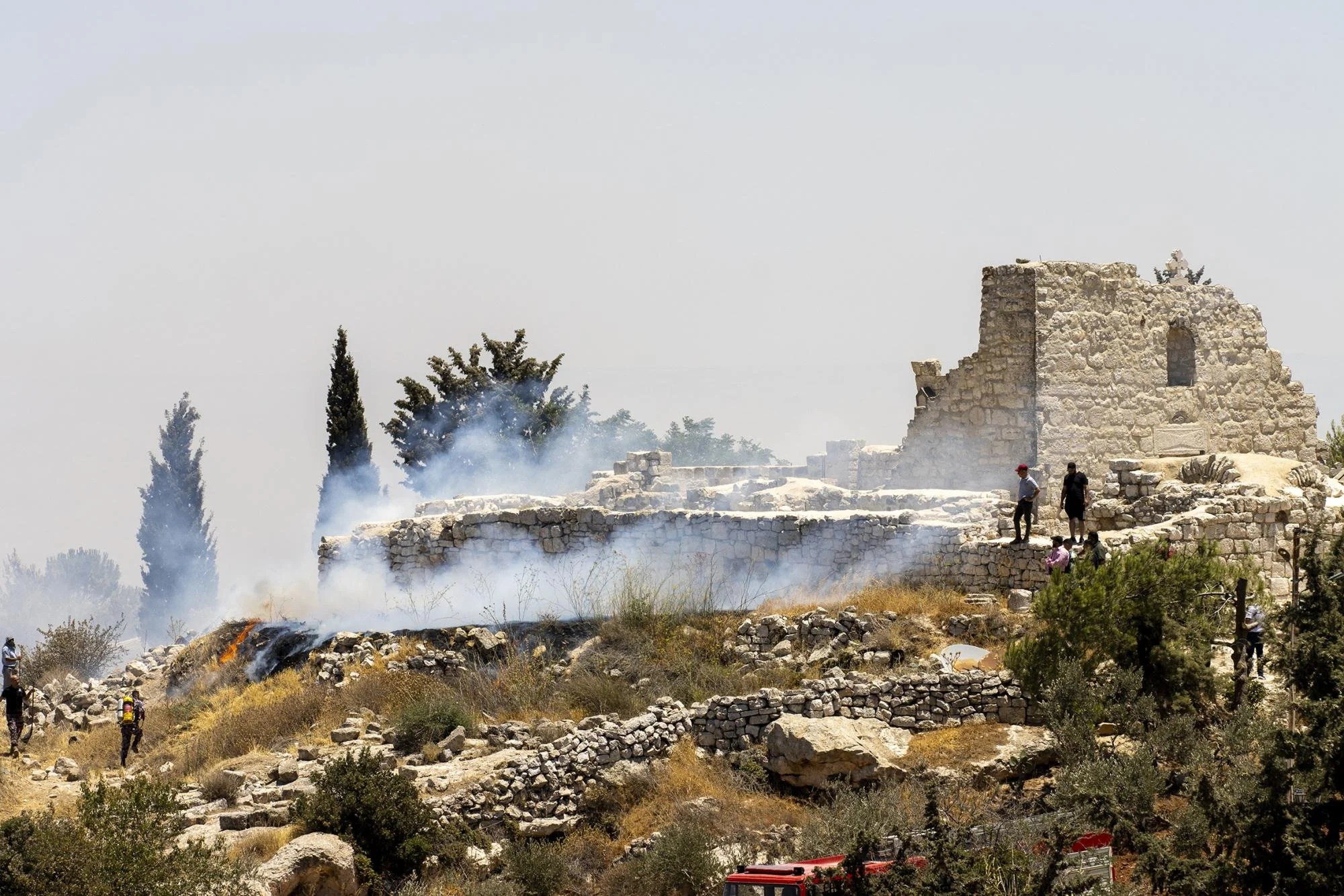


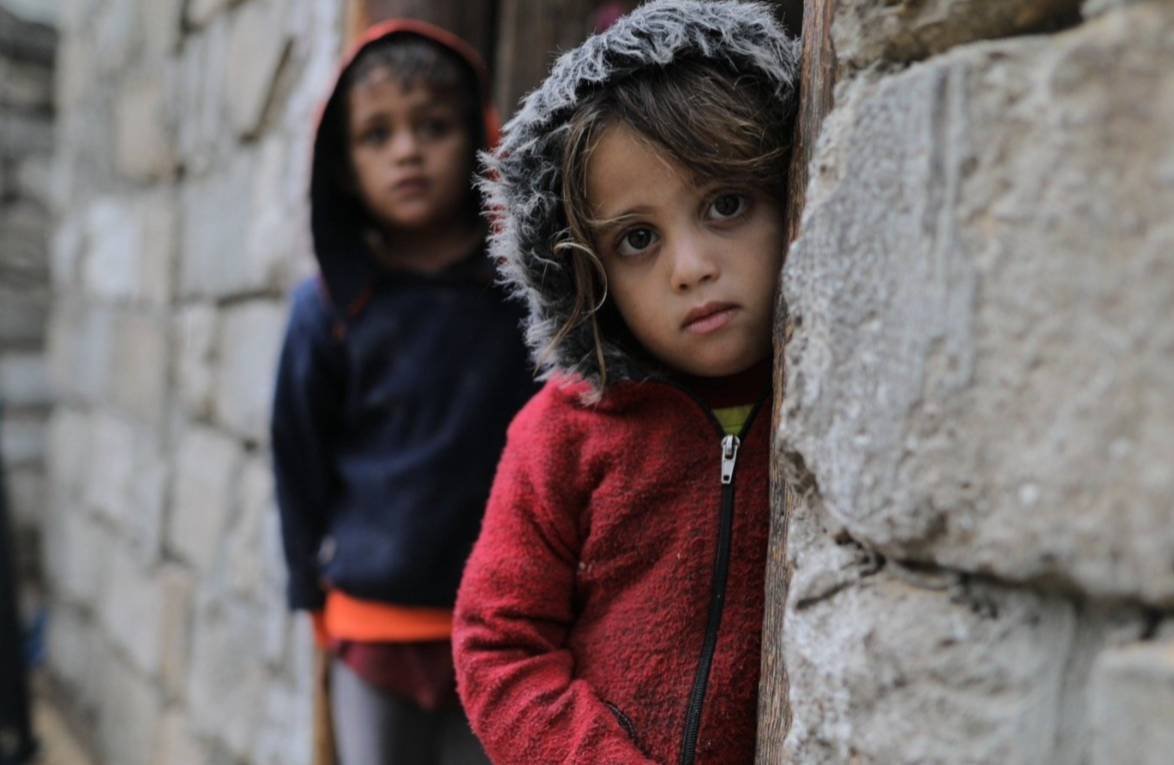

These Christians have deep attachments to their ancient churches and cemeteries, and the land on which their families have lived since the first century — when their ancestors were among Jesus’s first disciples. And the IDF seems determined to drive them out. Unlike their Muslim neighbors, these Christians have nowhere else to go. - Jason Jones, Founder of the Vulnerable People Project